
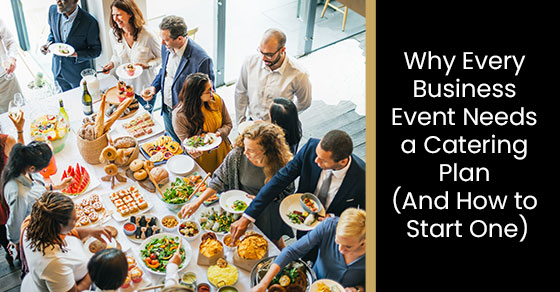
Food can shape the way guests experience a business event long before anyone talks about the menu afterward. It affects the pace of the room, the comfort of the guests, the energy during meetings, and the overall impression people take with them when they leave.
At Bradshaw Catering, we know successful catering does not happen by accident. Business events often have tight schedules, professional expectations, and a wide range of guest needs. A clear catering plan helps align the menu, timing, service style, setup, and event goals before the day arrives.
The plan does not need to be complicated. It simply gives your team a practical starting point before choosing menu options or confirming service details.
What To Include In A Business Catering Plan
A strong catering plan begins with the reason for the event. A client reception, staff appreciation lunch, training session, conference, company celebration, or executive meeting each calls for a different kind of food experience. The right plan should support the event’s purpose instead of treating catering as a final task to check off the list.
Business catering services are most effective when they account for the full event, not only the food order. Guest count, schedule, location, menu style, dietary needs, service expectations, setup space, and cleanup details all shape what will work best on the day.
Event catering also needs to match the tone of the occasion. A formal client-facing event may need a more polished presentation, while an internal meeting may focus on convenience and keeping the day on schedule. Corporate events with presentations, networking windows, or structured breaks need food service that fits around the agenda rather than interrupting it.
A practical catering plan may include:
- Event purpose and tone
- Approximate guest count
- Schedule, meal timing, and service window
- Menu preferences and dietary considerations
- Venue or office access details
- Setup space, serving areas, and cleanup expectations
We help clients think through these details early, before they become day-of problems. The best plan is not one-size-fits-all. It should reflect the event goal, the room, the guests, and how people are expected to move through the experience.
Start With The Purpose Of The Event
Catering decisions should come from the reason people are gathering. A quick working lunch between meetings has different needs than a client reception where guests are standing, talking, and moving through the room.
For a training day, the menu may need to be easy to serve during a short break. For a polished client event, presentation and timing may carry more weight. Internal corporate events often need food that feels generous and comfortable while still keeping the schedule intact.
We work with businesses to connect the food and service approach to the event’s goals. That connection helps the catering feel intentional, not like a separate piece added at the end.
Confirm Guest Count And Event Timing Early
Headcount affects more than food quantities. It can influence menu planning, setup needs, staffing, service flow, and the amount of space required for guests to eat comfortably.
Timing matters just as much. Food may need to arrive before a morning break, be ready between presentations, or remain available during a networking window. If catering is squeezed into the agenda without proper setup time, even a good menu can feel rushed.
A business event with a lunch between two presentations, for example, needs more than a delivery time. It needs a clear understanding of when guests will be released, where the food will be served, how quickly people need to move through the line, and when the room should be reset.
Choose A Menu That Fits The Room And The Schedule
Menu selection is not only about taste. It should match how guests will eat, move, speak, and participate during the event.
A standing reception may call for options that are easy to enjoy while mingling. A seated business lunch can allow for a different style of service. A conference or training session may need food that keeps guests comfortable without slowing down the agenda.
Our catering menus and packages can be customized for the event style, guest preferences, and dietary needs. That flexibility helps event catering support the flow of the occasion instead of pulling attention away from it.
Plan For Dietary Needs And Guest Comfort
Dietary needs should be handled early and thoughtfully. Asking about allergies, vegetarian preferences, gluten-free needs, or other considerations where appropriate helps reduce confusion on the event day.
Clear planning can also help guests feel considered. Menu labelling, thoughtful variety, and communication between the organizer and caterer all support a smoother experience. No event planner wants guests wondering what they can eat while the program is already underway.
We can help clients discuss menu needs and service expectations so the final plan feels organized, professional, and practical for the group.
Decide How Food Will Be Served
Service style affects the atmosphere of a business event. It can influence traffic flow, wait times, staffing needs, and how much attention guests must give to the meal.
Our confirmed options include service styles such as buffets, cocktail receptions, food stations, and customized catering packages. The right choice depends on the number of guests, the room layout, the level of formality, and how much time is available for food service.
A buffet may suit a generous meal where guests have time to serve themselves. A cocktail reception can work well when mingling is the priority. Food stations can add interaction when the event format allows for it. The service approach should feel natural for the room and the schedule.
Think Through Setup, Cleanup, And On-Site Details
Behind-the-scenes details can make or break the catering experience. Serving areas, table placement, access points, waste handling, and setup timing all need attention before the event day.
Businesses should also clarify who is responsible for each part of the process. Venue rules, building access, elevators, parking, and available prep space can all affect how smoothly catering is set up and cleared.
Good planning reduces last-minute stress for the organizer and keeps guests from noticing the logistics at all. That is usually the goal: a polished event where the food and service feel seamless.
Why Business Catering Services Matter At Corporate Events
Corporate events often bring together clients, employees, partners, leadership, or prospective customers. The food experience can influence how comfortable people feel and how organized the event appears.
Professional catering helps businesses think through timing, menu flow, presentation, staffing, and guest comfort. It also gives organizers a planning partner who can spot practical details that are easy to miss when the focus is on speakers, invitations, agendas, or venue setup.
Business catering services support the purpose of the event, not just the meal. When food arrives at the right time, fits the room, and works for the guests, the entire event feels more controlled and professional.
Common Catering Planning Mistakes Businesses Can Avoid
Small planning gaps can create unnecessary stress on the event day. Most issues start when catering is handled too late or treated separately from the rest of the event plan.
Common mistakes include:
- Waiting too long to contact the caterer
- Not confirming the guest count or schedule
- Choosing a menu that does not fit the event format
- Forgetting dietary needs or guest comfort details
- Leaving setup, access, or cleanup expectations unclear
- Treating catering as a final task instead of part of the event plan
Early planning with our team helps businesses avoid these preventable issues. We can help you think through the menu, timing, service style, and practical details before the event day arrives.
Start Your Business Catering Services Plan With Bradshaw Catering
A catering plan helps businesses organize food, timing, guest needs, and service expectations before the room fills up. With the right approach, business catering services can help corporate events feel more organized, comfortable, and professional from start to finish.
Reach out to Bradshaw Catering today at (289) 216-7061, email us at events@bradshawcatering.com or click here to get in touch online.
FAQ
When Should I Start Planning Catering For A Business Event?
Start as early as possible once you know the event date, approximate guest count, and general schedule. Early planning gives your caterer more context and gives your team more room to make thoughtful decisions.
What Information Should I Have Before Contacting A Caterer?
Helpful details include the event date, location, approximate guest count, event purpose, schedule, dietary needs, and preferred service style if you already have one in mind.
Why Are Business Catering Services Important For Corporate Events?
Catering affects guest comfort, timing, professionalism, and the overall event experience. It is not only about the food, it is also about how well the event flows.
How Do I Choose The Right Menu For A Corporate Event?
The best menu depends on the event format, time of day, guest count, room layout, and whether guests will be seated, networking, or moving through sessions.
Can Bradshaw Catering Help With Event Catering Plans?
Yes. Bradshaw Catering can help businesses think through menus, timing, guest needs, and service expectations for corporate events and other business gatherings.